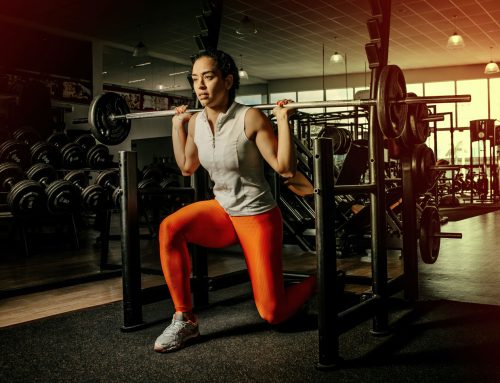
Weighted calisthenics is an exciting way to enhance bodyweight training by adding extra resistance. But when is the right time to start adding weight to your calisthenics training? This article will explore the ins and outs of weighted calisthenics, helping you determine if you’re ready to safely start adding weight to basic bodyweight exercises like pull-ups, push-ups, and dips.
What Is Weighted Calisthenics?

Weighted calisthenics is a form of exercise that combines traditional bodyweight movements with additional weight. Instead of relying solely on your body weight for resistance, you add extra weight through various means, such as weighted vests, belts, or ankle weights. This method allows for increased intensity and can lead to greater strength gains and muscle growth.
The beauty of weighted calisthenics lies in its versatility and ease of progressive overload. You can incorporate weighted elements into almost any bodyweight exercise, from pull-ups and push-ups to dips and squats. This adaptability makes it an appealing option for those looking to challenge themselves and push their limits.
Weighted calisthenics not only enhances strength but also improves overall body control and stability. As you progress, your body learns to manage the added weight, which can translate to better performance. The added weight forces your slow-twitch muscle fibers to work harder as well as cause neural adaptations on your central nervous system.
In addition to building strength, weighted calisthenics can significantly boost your endurance in specific exercises. By incorporating weights, you force your muscles to work harder. When the added weight is removed, your body will still be used to the added weight, and you will feel much lighter. Furthermore, the mental aspect of overcoming the challenge of added weight can foster a greater sense of accomplishment and motivation, encouraging individuals to set and achieve higher fitness goals. Think of it like bodybuilders and powerlifters getting their first 225lb bench press.
What Are The Benefits Of Weighted Calisthenics?
Weighted calisthenics training offers many benefits. Firstly, it significantly increases the difficulty of standard bodyweight exercises, which can lead to improved strength and muscle hypertrophy while allowing progressive overload. By adding weight, the muscles are forced to adapt and grow stronger over time. This progressive overload principle is crucial for anyone looking to build muscle, as it encourages the body to continually adapt to the increased demands placed upon it.
Moreover, weighted calisthenics can enhance overall athletic performance. The added resistance helps develop functional strength, which translates well into various sports and physical activities. Additionally, it can improve core stability, balance, and coordination, making it a well-rounded training approach. Athletes often find that the strength gained from weighted calisthenics not only boosts their performance in their respective sports but also reduces the risk of injury by strengthening the stabilizing muscles around joints.
Another advantage is that weighted calisthenics can help break through plateaus. If you’ve been stuck in your training and not seeing progress, adding weight can provide the stimulus needed to push past those barriers. It’s a fantastic way to keep workouts fresh and exciting! Furthermore, the versatility of weighted calisthenics means that you can easily adjust the intensity of your workouts to match your fitness level. Whether you’re a beginner or an advanced athlete, you can find ways to incorporate weights that suit your needs, making it an inclusive option for all fitness enthusiasts.
Additionally, weighted calisthenics can foster a greater mind-muscle connection. As you focus on controlling the added weight during your movements, you become more attuned to how your muscles engage and work together. This heightened awareness can lead to improved technique and form, ensuring that you are maximizing the effectiveness of each exercise. Not only does this contribute to better results, but it also enhances your overall workout experience, making it more engaging and rewarding.
How To Tell If You Are Ready To Start Weighted Calisthenics?

Determining if you are ready for weighted calisthenics involves assessing your current fitness level and bodyweight strength. Before adding weight, it’s crucial to master basic bodyweight exercises. This means being able to perform movements like push-ups, pull-ups, and squats with proper form and control.
Additionally, consider your overall strength and conditioning. If you can comfortably perform multiple sets of bodyweight exercises without excessive fatigue, you might be ready to introduce weights. It’s also essential to have a solid foundation in general fitness, including flexibility and mobility, to prevent injury.
Lastly, listen to your body. If you feel confident in your abilities and are eager to challenge yourself, weighted calisthenics might be the next step in your fitness journey. However, if you’re unsure, it may be beneficial to consult with a fitness professional to assess your readiness. As a general rule of thumb, here are some milestones for each bodyweight exercise we recommend before adding additional weight.
- 12 Pull Ups
- 30 Push Ups
- 20 Dips
Another important factor to consider is your experience with progressive overload. This principle is fundamental in strength training, and it involves gradually increasing the resistance or difficulty of your workouts to stimulate muscle growth and strength gains. If you’ve been consistently challenging yourself with bodyweight exercises, perhaps by increasing the number of repetitions or sets, you may find that your body is well-prepared to handle the additional challenge of weights. Understanding how to implement progressive overload safely is key to ensuring that your transition into weighted calisthenics is both effective and sustainable.
It’s vital to evaluate your mental readiness as well. Starting a new training regimen can be daunting, especially when it involves adding weights to your bodyweight exercises. A positive mindset and a willingness to embrace the learning curve are key to pushing your limits with weighted calisthenics. Embracing these challenges with patience and determination will not only enhance your performance but also make the process more enjoyable. Remember, every fitness journey is unique, and taking the time to assess both your physical and mental readiness will set you up for success in your weighted calisthenics endeavors.
How Much Weight Should You Start With?
When beginning weighted calisthenics, it’s essential to start with an appropriate amount of weight. A common recommendation is to begin with around 5-10% of your body weight. This allows for a manageable increase in resistance while still enabling you to maintain proper form.
As you progress and become more comfortable with the added weight, you can gradually increase it. A good rule of thumb is to add weight in small increments, typically around 1-5 pounds, to avoid overwhelming your muscles and joints. Tracking your progress can help determine when it’s time to increase the weight.
It’s also crucial to pay attention to how your body responds. If you find yourself struggling to maintain form or experiencing excessive fatigue, it may be a sign that you’re lifting too much weight. Adjust accordingly to ensure a safe and effective workout.
Additionally, consider the type of exercises you’re performing when determining your starting weight. Compound movements, such as weighted pull-ups or dips, often require more weight than isolation exercises like weighted leg raises. This is because compound exercises engage multiple muscle groups, demanding greater strength and stability. Therefore, it may be beneficial to start on the lower end of the weight spectrum for these exercises until you build a solid foundation.
Moreover, incorporating a variety of weighted calisthenics into your routine can help prevent plateaus and keep your workouts engaging. For instance, mixing in exercises like weighted push-ups, where you can place a weight plate on your back, alongside other movements can challenge your muscles in different ways. This variation not only aids in muscle growth but also enhances overall functional strength, making everyday activities easier and more efficient.
Is Weighted Calisthenics Safe?
Safety is always a priority when it comes to any form of exercise, and weighted calisthenics is no exception. While it can be a highly effective training method, it’s essential to approach it with caution. Proper form and technique should always come first. Adding weight can increase the risk of injury if exercises are performed incorrectly. It’s also important to gradually increase the weight you’re using; this allows your body to adapt to the added resistance without overwhelming your muscles and joints.
Additionally, warming up before workouts is crucial. A proper warm-up prepares the body for the added stress of weighted exercises and can help prevent injuries. Incorporate dynamic stretches and mobility work to ensure your muscles and joints are ready for action. We recommend warming up with a light resistance band for at least 5 minutes before doing any exercise, regardless if it is bodyweight or with additional weight.
Listening to your body is vital as well. If you experience pain or discomfort while performing weighted calisthenics, it’s essential to stop and reassess. Pushing through pain can lead to injuries that may set back your progress. Always prioritize safety over intensity. Moreover, consider incorporating rest days into your routine to allow your muscles to recover and rebuild. This recovery time is just as important as the workouts themselves, as it helps prevent overuse injuries and promotes long-term strength gains.
Remember, the goal is to enhance your strength and fitness safely, so investing in proper instruction can pay off significantly in the long run.
Will Weighted Calisthenics Help Me Learn Skills?
Absolutely! Weighted calisthenics can be an excellent way to develop skills and improve overall athleticism. As strength increases, so does the ability to perform advanced bodyweight skills, such as muscle-ups, handstand push-ups, levers, and even the planches. These skills require a solid foundation of strength and control, which can be enhanced through weighted training.
Moreover, the added resistance can help improve muscle coordination and body awareness, essential components for mastering complex movements. As you progress in weighted calisthenics, you’ll likely find that your ability to perform these skills improves significantly.
Incorporating weighted calisthenics into your training can also provide the necessary strength to support skill development. For instance, if you’re working on a handstand, building shoulder and core strength through weighted variations can enhance your stability and control. The same applies for weighted pull ups and the front lever.
Additionally, the progressive overload principle inherent in weighted calisthenics encourages continual adaptation and growth. By gradually increasing the weight you use during exercises, you stimulate muscle growth and strength gains, which are crucial for tackling more challenging skills. This method not only helps in building raw strength but also in developing the specific muscle groups required for advanced movements, ensuring that you are well-prepared for the demands of skills like the front lever or back lever.
Furthermore, the mental aspect of weighted calisthenics shouldn’t be overlooked. As you push your limits with added weight, you cultivate a stronger mindset and greater focus. This mental resilience is vital when attempting to master difficult skills, as it allows you to overcome the fear and hesitation that often accompany advanced bodyweight training. With each successful lift or hold, you build confidence in your abilities, which translates directly into your skill development journey.
Weighted pull-ups and dips can greatly help with learning the front lever and planche.
Conclusion About Weighted Calisthenics Training

In summary, weighted calisthenics is a fantastic way to elevate your bodyweight training and achieve new fitness goals. By understanding what weighted calisthenics entails, recognizing its benefits, and assessing your readiness, you can safely incorporate this method into your routine.
Starting with a low amount of weight and prioritizing safety will ensure a positive experience as you explore the world of weighted calisthenics. Whether you’re looking to build strength, learn new skills, or break through plateaus, this training method can provide the challenge and growth you seek.
So, if you’re ready to take your fitness journey to the next level, consider adding weighted calisthenics to your calisthenics training. To learn more about weighted calisthenics training and bodyweight fitness, check out our blog. You can also get gymnastics rings and collagen supplements from our store.