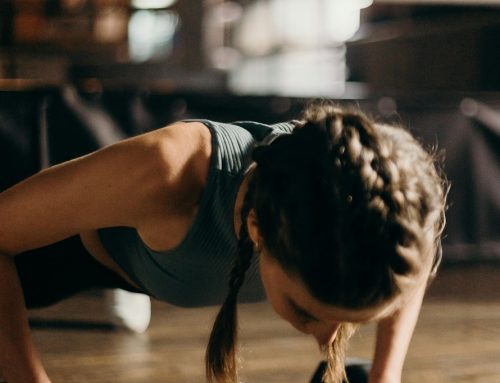
Staying motivated to work out at home sounds simple on paper, but anyone who trains consistently or is trying to be consistent knows how quickly motivation can come and go. Some days you feel strong, focused, and excited to train. Other days even starting the warm-up feels like a chore. This is completely normal, and it’s something every lifter, athlete, and calisthenics enthusiast deals with at some point. The key isn’t finding endless motivation, but learning how to keep moving forward even when motivation dips.
In calisthenics especially, motivation tends to stick when training feels meaningful. When you know exactly what you’re working toward, it’s much easier to stay consistent and enjoy the process. The key to motivation is having goals that let you celebrate little wins and enjoying every aspect of what you do. If you are dreading the workout, it may be time to find another form of exercise.
Stay Motivated By Having Short-Term Goals
One of the most effective ways to stay motivated when working out at home is to train with short-term, specific goals. Rather than saying you want to “get stronger” or “get fitter,” having targets like holding a handstand, hitting 15 clean pull-ups, unlocking the planche or elbow lever, or building toward a 150 percent bodyweight dip gives your training direction. These goals are easy to understand, easy to test, and easy to measure. Once you acheive these goals, no matter what they are, your training feels like you accomplished something. Kind of like an achievement in a video game, you did that!
Short-term goals create momentum. Every session feels like it has a purpose because you know exactly what you’re working toward. When progress is visible, motivation naturally follows. Even small improvements feel rewarding, and that sense of progress makes it much easier to stay consistent over time.
Even if you aren’t working out for a specific gym exercise, a short-term goal can also be to regain an ability you had when you were younger. Things like ballet dance routines, the splits, kicking over your head, or even beating your friend at an arm wrestling match.
Making Training and Working Out Fun Will Keep You Motivated
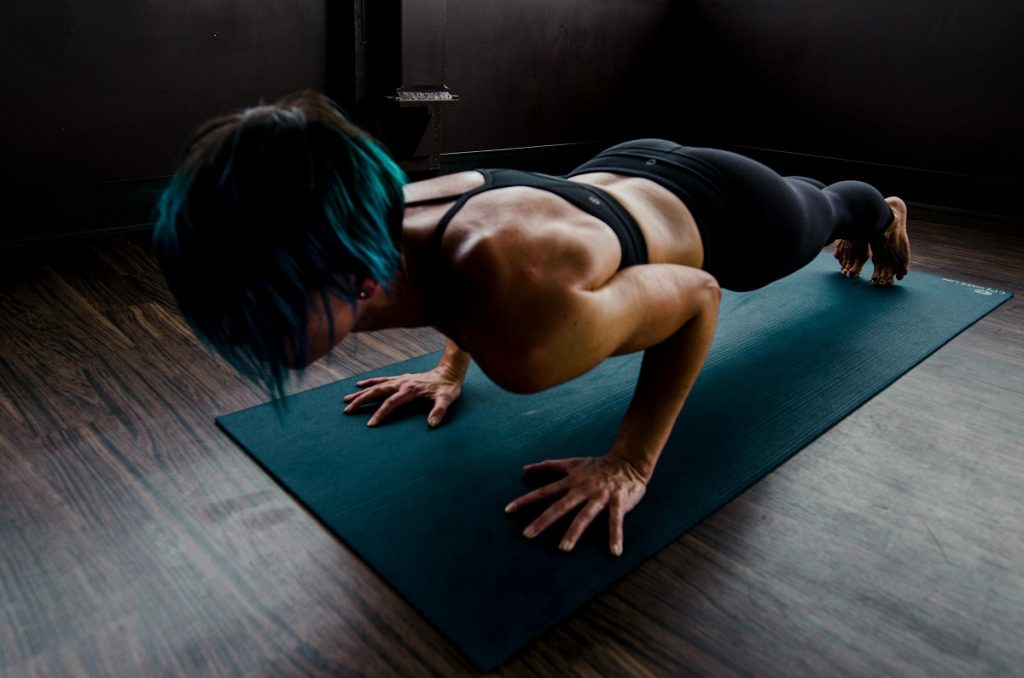
When workouts feel like punishment, motivation doesn’t last very long. Calisthenics offers a huge advantage here because many movements are skills, not just exercises. Learning a handstand, improving control in dips, or refining pull-up form turns training into practice rather than just effort. 1 of the biggest milestones for anyone learning to exercise with their bodyweight is the muscle up. There is no feeling like getting your first muscle up.
This mindset shift changes how you approach workouts. Instead of trying to exhaust yourself, you’re trying to improve something. That makes training more engaging and less mentally draining. Skill-based training, especially on gymnastics rings, also gives you something to focus on during each session, which helps workouts feel intentional rather than random.
Focus on Progress You Can See and Feel When You Work Out
Motivation to work out grows when you can see proof that your work is paying off. Strength and skill progress in calisthenics is often subtle, especially early on, which makes tracking progress incredibly important. Noticing that your handstand hold has increased by a few seconds or that your pull-ups feel smoother is powerful reinforcement. Progress is progress; it can be 1 rep, better form, longer holds, or better control.
Looking back at where you started from helps put rough sessions into perspective. Everyone has off days, but those days don’t cancel out weeks or months of improvement. Seeing long-term trends instead of judging single workouts makes it much easier to stay positive and motivated. Record your exercises, take pictures of your physique and look back at those in the future. You will be amazed how far you can go working out at home.
Build Consistency In Your Workouts Before Intensity
A common mistake is thinking that motivation comes from pushing harder. In reality, motivation usually comes from consistency and enjoyment. Showing up regularly, even for shorter or easier sessions, builds momentum. Once training becomes part of your routine, it requires far less mental effort to get started.
You don’t need every workout to be perfect or intense. What matters most is continuing to train often enough that it feels normal. Consistency builds confidence, and confidence makes motivation easier to maintain. The best workout routine is the one that you can do for the rest of your life.
When You’re Not Motivated To Work Out Adjust Your Training
One of the fastest ways to burn out is trying to train at maximum intensity all the time. Some days you’ll feel strong and focused, while other days coordination and energy just aren’t there. Learning to adjust instead of forcing it helps keep motivation intact. Autoregulating your workouts is a skill that will take time. If you feel strong 1 day, do more. If you feel week another day do less or even skip an exercise in your workout. You do not need to punish yourself. Exercise and staying active should be fun, not torture.
On lower-energy days, focusing on technique, lighter variations, or controlled reps still moves you forward. Training doesn’t have to be all or nothing. Giving yourself permission to scale sessions makes it easier to stay consistent without feeling discouraged.
Create an Environment That Supports Working Out At Home
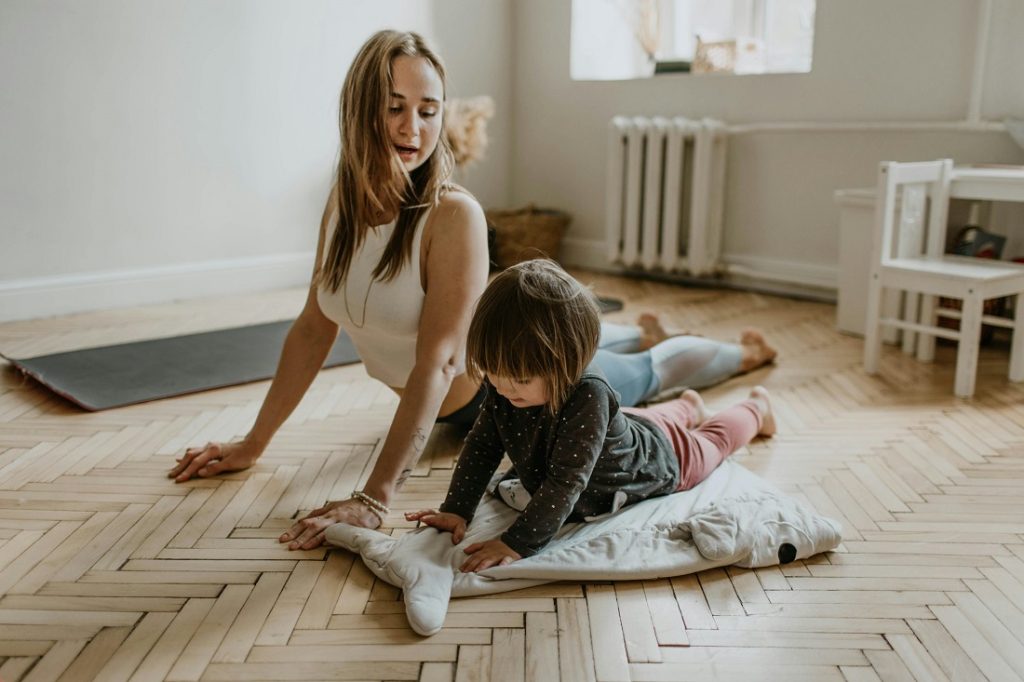
Your surroundings influence how you feel about working out more than most people realize. Having a space, routine, or setup that signals “this is training time” helps you mentally switch into workout mode. Over time, your body and mind start associating that environment with movement and effort. Some people this is going to the gym. For others, they have home gyms.
This reduces the mental friction of starting. When training feels like part of your day rather than a decision you have to debate, motivation becomes less of a hurdle.
The physical location isn’t the only thing that matters either. Consider making a music playlist just for your workouts, set a specific alarm on your phone that lets you know its time to lock in. There are plenty of ways to create an environment that reinforces a great workout and positive vibes, They can be unique to everyone so it is important to find what makes you happy.
If you are setting up a home gym, think of posters, colors, or lighting, or quotes that you like and really make the space yours.
Choose Workout Goals You Actually Care About
Motivation to workout at home fades quickly when goals don’t feel personal. Training becomes far more enjoyable when you’re working toward something that genuinely excites you. For many calisthenics athletes, this means chasing strength and control over their own body rather than arbitrary numbers.
When you care about the goal, effort feels worthwhile. You’re not training because you feel like you should, but because you want to see what you’re capable of. That internal motivation is far more reliable than external pressure. There are plenty of calisthenics athletes that chase skills for years only because they think they are cool. Some of our team have been chasing the planche for over 5 years.
Accept That Motivation To Workout Comes and Goes
Even with the best setup, motivation will never be perfect. There will be days when training feels easy and days when it feels like a grind. The difference between people who stick with training and those who don’t is how they respond to those low-motivation days.
Lowering the bar and simply starting is often enough. A short warm-up or a few sets can turn into a full session once you’re moving. Even when it doesn’t, maintaining the habit keeps progress alive. If you don’t like an exercise, you don’t have to do it.
Many people don’t like cardio or running but they love sports like basketball or soccer. Those can be even better alternatives to more common cardio options like running on a treadmill.
Change Your Goals to Stay Motivated
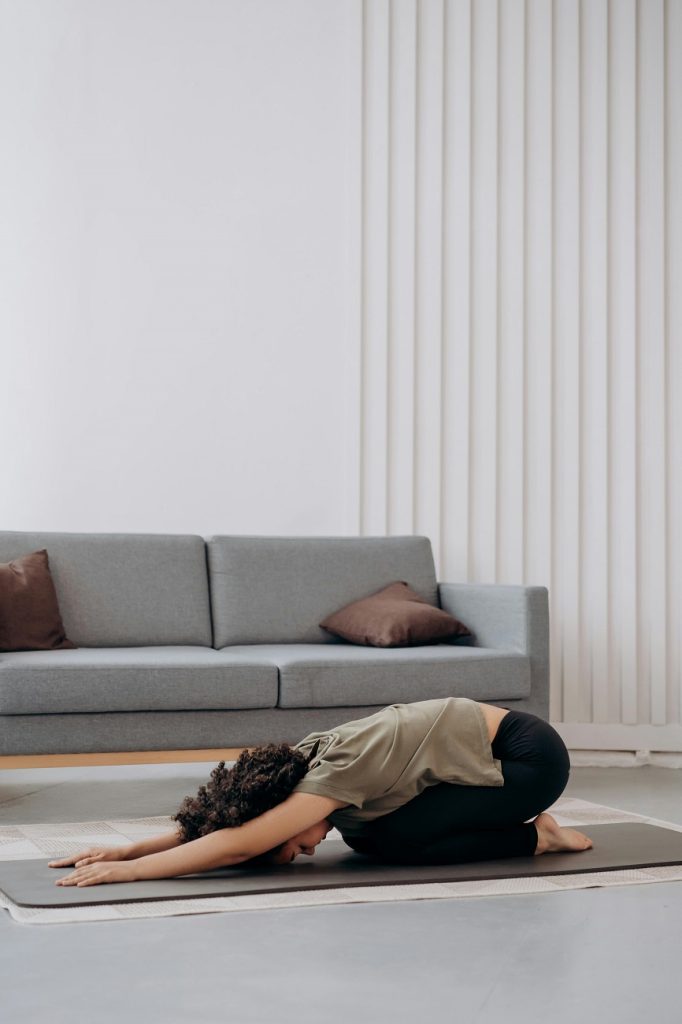
Hitting a goal feels great, but motivation can dip if there’s nothing new to work toward afterward. One of the strengths of calisthenics is that progress never really ends. There’s always another skill, progression, longer hold, cleaner rep, or higher level of control to chase.
Replacing old goals with new ones keeps training fresh and exciting. Each milestone becomes part of a larger journey rather than a finish line. If you record your journey from the start you can look back at how far you’ve come.
Motivation Comes From Purpose, Not Hype
At the end of the day, staying motivated isn’t about forcing excitement or waiting to feel inspired. It’s about having a reason to train and a clear sense of direction. Short-term goals, skill-based progress, and consistent habits create a system that supports motivation instead of relying on it.
When training has purpose, showing up becomes easier. Whether you’re working toward your first handstand or pushing strength levels you once thought were out of reach, that sense of progress is what keeps motivation alive long-term. To learn more about staying motivated to work out at home or calisthenics skills checkout our blog.