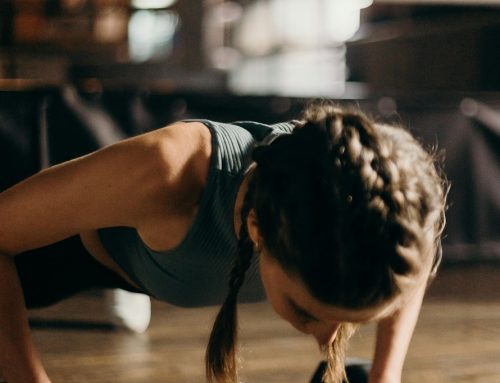
The Ape Index is a term that has gained traction in the fitness community, particularly among calisthenics enthusiasts and athletes. It refers to the ratio of an individual’s arm span to their height. This unique measurement can provide insights into an athlete’s potential performance in various physical activities, especially those that involve upper body strength and flexibility. Understanding the Ape Index can help athletes tailor their training regimens to maximize their strengths and address any weaknesses.
In this article, we’ll dive deeper into what the Ape Index is, how to measure it, and its implications for calisthenics athletes. Whether you’re an advanced athlete or just starting out, knowing your Ape Index can be a game-changer in your fitness journey.
What Is The Ape Index?
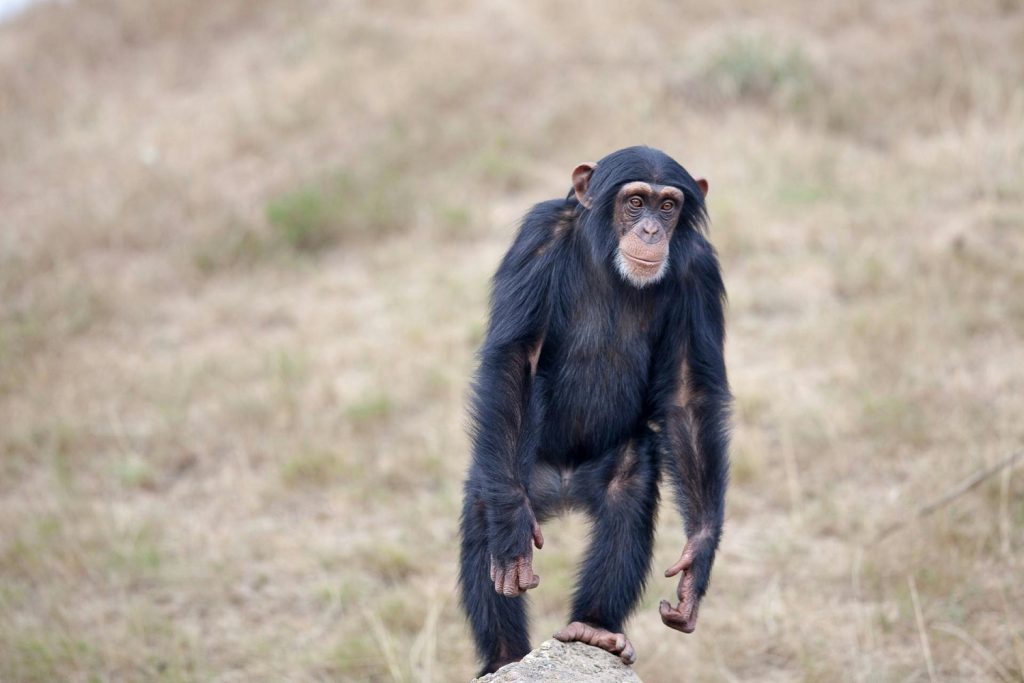
The Ape Index is calculated by comparing the length of a person’s arms to their height. Specifically, it is the difference between the arm span and the height. If your arm span is greater than your height, you have a positive Ape Index. Conversely, if your height exceeds your arm span, you have a negative Ape Index. A neutral Ape Index occurs when both measurements are equal.
This ratio can provide valuable insights into an individual’s physical capabilities. For instance, a positive Ape Index is often associated with advantages in activities that require reach and leverage, such as climbing and certain gymnastic and calisthenics movements. On the other hand, a negative Ape Index may indicate strengths in areas that require more compact movements, like explosive power and stability.
The concept of the Ape Index is particularly popular among athletes and fitness enthusiasts, as it can serve as a useful metric for tailoring training regimens. For climbers, having a longer arm span can mean better access to holds and the ability to reach farther distances without needing to reposition their body. This can translate into improved performance on challenging routes, where every inch matters. Similarly, gymnasts with a positive Ape Index may find themselves better equipped to execute complex maneuvers that demand both strength and flexibility.
Moreover, the Ape Index is not solely limited to elite athletes; it can also be a fun and informative tool for anyone interested in understanding their body mechanics. For instance, individuals who engage in sports like swimming or basketball might find that a longer arm span aids in their performance, allowing for more effective strokes or shots. Additionally, the Ape Index can spark discussions about human anatomy and biomechanics, encouraging a deeper appreciation for how our bodies are uniquely adapted for different physical tasks. This awareness can lead to more informed choices in fitness and recreational activities, ultimately enhancing one’s overall athletic experience.
How Do You Measure Your Ape Index
Measuring your Ape Index is a straightforward process that can be done with just a measuring tape. Here’s how to do it:
- Stand against a wall with your back straight and feet together.
- Using a measuring tape, measure your height from the floor to the top of your head.
- Next, extend your arms out to the sides, parallel to the ground. Measure the distance from the tip of your left middle finger to the tip of your right middle finger. This is your arm span.
- Finally, subtract your height from your arm span. If the result is positive, you have a positive Ape Index. If it’s negative, you have a negative Ape Index.
For example, if your height is 5’8″ (68 inches) and your arm span is 6’0″ (72 inches), your Ape Index would be 4 inches (72 – 68 = 4). This positive Ape Index could suggest that you might excel in activities that require reach.
The Ape Index is not just a quirky measurement; it can provide insights into your physical capabilities and potential advantages in various sports and activities. For instance, climbers often benefit from a positive Ape Index, as longer arms can help them reach holds that would be challenging for someone with a shorter span. Similarly, athletes in sports like swimming or basketball may find that a greater arm span enhances their performance, allowing for longer strokes or greater reach during gameplay.
Moreover, understanding your Ape Index can also help in tailoring your training regimen. If you discover that you have a negative Ape Index, you might focus on exercises that improve your flexibility and reach, such as stretching routines or specific strength training for your upper body. Conversely, if you have a positive Ape Index, you might want to capitalize on that advantage by incorporating drills that utilize your reach effectively, enhancing your overall performance in your chosen activities.
How Does Ape Index Affect Calisthenics Athletes
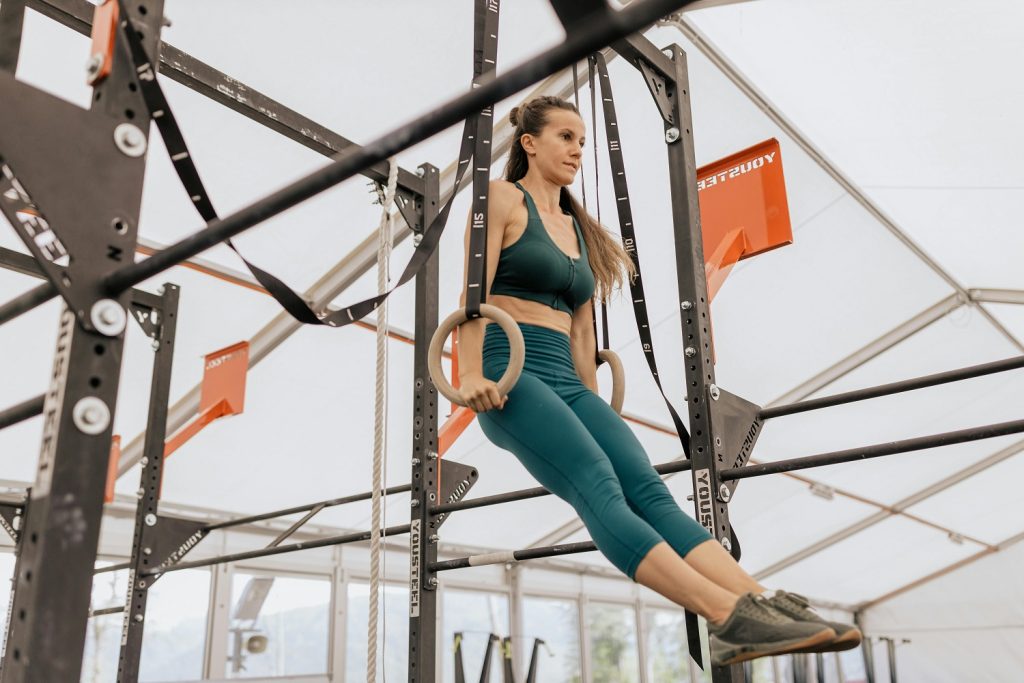
The Ape Index can significantly influence a calisthenics athlete’s performance. Those with a positive Ape Index often find certain skills easier to master. For instance, moves like the muscle-up, where a strong pull and a high reach are required, can be more accessible for athletes with longer arms. This is because longer arms can provide a greater leverage advantage, allowing for smoother transitions during complex movements. Athletes with this advantage may also find that they can generate more momentum, which is crucial for explosive movements that demand both strength and speed.
Conversely, athletes with a negative Ape Index may excel in skills that require more compact movements. For example, skills like the planche or front lever may be easier for those with shorter arms relative to their height. This is because a shorter lever arm can lead to more efficient force application and stability during these demanding poses. Additionally, these athletes might find it easier to maintain body control and balance, which are essential for executing precise movements in calisthenics.
Ultimately, understanding one’s Ape Index allows athletes to focus on their strengths while also addressing areas that may require additional work. Tailoring training programs to leverage individual anatomical advantages can lead to more effective and enjoyable workouts. For instance, athletes with a positive Ape Index might incorporate more pulling exercises, such as pull-ups and rows, to maximize their reach and leverage, while those with a negative Ape Index could prioritize core strength and stability training to enhance their performance in static holds. Furthermore, recognizing the impact of the Ape Index can also foster a greater appreciation for the diversity of body types in the calisthenics community, encouraging athletes to celebrate their unique physical attributes and the different paths to mastery they may take.
Moreover, the Ape Index doesn’t just affect performance; it can also influence the mental approach to training. Athletes who understand their anatomical advantages may feel more confident tackling challenging skills, knowing that their body mechanics are in their favor. This psychological edge can be just as important as physical training, as confidence often translates into better performance. On the flip side, those with a negative Ape Index might initially feel discouraged when comparing themselves to their longer-armed counterparts. However, by focusing on their unique strengths and developing a personalized training regimen, they can cultivate resilience and determination, ultimately leading to impressive achievements in their calisthenics journey.
Are Handstands Harder With a Positive Ape Index?

Handstands are a staple in calisthenics and require a combination of balance, strength, and body control. Whether a positive Ape Index makes handstands harder or easier can depend on several factors. Generally, those with a positive Ape Index may find handstands slightly more challenging due to the longer arm span. This can affect balance and stability, as longer arms can create a larger moment arm, making it harder to maintain an upright position.
However, this doesn’t mean that athletes with a positive Ape Index can’t master handstands. With proper training and technique, they can still achieve impressive handstand skills. It’s all about finding the right balance and working on core strength and shoulder stability. On the other hand, athletes with a negative Ape Index may find handstands more manageable due to their shorter arm span, which can help them maintain better balance.
Moreover, the mechanics of a handstand involve not just arm length but also the distribution of body weight. Those with a positive Ape Index might need to engage their core muscles more intensely to counterbalance their longer limbs. This engagement can lead to improved overall strength and stability, which can be advantageous in other calisthenics movements. Additionally, the psychological aspect of performing a handstand cannot be overlooked; confidence plays a significant role in how effectively one can balance upside down. Athletes with a positive Ape Index may need to spend more time developing that confidence through consistent practice and incremental progress.
Furthermore, the training regimen for handstands can vary greatly among individuals, regardless of their Ape Index. For instance, incorporating exercises that enhance shoulder mobility and flexibility can be particularly beneficial. Techniques such as wall walks, kick-ups, and even yoga poses like the downward dog can help build the necessary strength and control. Each athlete’s journey is unique, and while the Ape Index provides a framework for understanding some challenges, personalized training approaches are essential for mastering the handstand. Ultimately, the journey to achieving a solid handstand is as much about perseverance and adaptability as it is about physical attributes.
Which Calisthenics Skills Benefit From a Negative Ape Index?
A negative Ape Index can provide distinct advantages in various calisthenics skills. Skills that require a high degree of stability and control often favor those with shorter arms relative to their height. For instance, movements like the planche and front lever are typically easier for athletes with a negative Ape Index.
The planche, which involves balancing the body parallel to the ground using only the hands, requires exceptional core strength and shoulder stability. Athletes with a negative Ape Index may find it easier to maintain the necessary body position due to their shorter lever arms, allowing for better control and balance.
Similarly, the front lever, which requires hanging from a bar while keeping the body horizontal, can also be more accessible for those with a negative Ape Index. The shorter arms can contribute to a more efficient application of force, making it easier to hold the position. Ultimately, while the Ape Index can provide insights into potential strengths, dedication and practice remain key to mastering any calisthenics skill.
How Does Your Ape Index Affect Pull Ups?
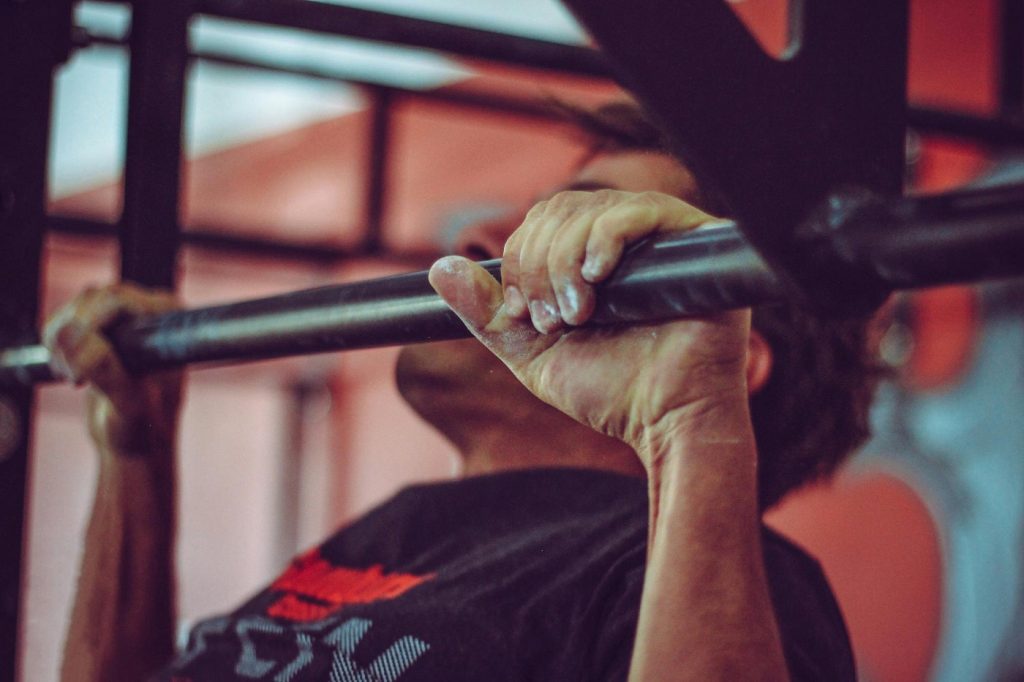
Pull-ups are a fundamental exercise in calisthenics, and your Ape Index can play a role in how effectively you perform them. Athletes with a positive Ape Index may find pull-ups slightly easier due to their longer arm span, which can provide a more advantageous leverage point. This can allow for a more efficient pull and a smoother range of motion. Even smoother when done on wooden gymnastics rings.
On the flip side, those with a negative Ape Index may face some challenges with pull-ups, as their shorter arms can require more effort to lift their body weight. However, this doesn’t mean that they can’t excel at pull-ups. With targeted training that focuses on building upper body strength and technique, athletes with a negative Ape Index can still achieve impressive pull-up numbers.
Ultimately, while the Ape Index can influence pull-up performance, it’s essential to remember that individual strength, technique, and training consistency are the most critical factors in mastering this exercise. Regardless of your Ape Index, with the right approach, anyone can improve their pull-up performance.
In summary, understanding the Ape Index can provide valuable insights for calisthenics athletes. Whether you have a positive or negative Ape Index, recognizing your unique strengths and weaknesses can help you tailor your training for optimal results. Embrace your Ape Index, and use it to guide your fitness journey!
Learn More About Calisthenics Training
Now that you understand the impact of your Ape Index on your calisthenics performance, it’s time to take your training to the next level with Calisthentials. We’re here to support your fitness journey with our expertly crafted body weight training programs and premium, budget-friendly workout gear. Whether you’re aiming to leverage your Ape Index advantages or overcome its challenges, our equipment and supplements are designed to help you achieve your goals. Shop Now and elevate your calisthenics routine with Calisthentials!